How I work
My method, with AI agents at every step.
- 01AuditBefore designing, I read the real code.
- 02BenchmarkReferences first.
- 03Interactive prototypeThe prototype, the same day.
- 04StatesEvery state, before building.
- 05BuildOne agent builds, one part at a time.
- 06Review and QAAnother agent measures; I approve.
- 07DeliveryEach part ships with my OK.
- 08RecordEvery decision is written down, with its reason.
Before designing, I read the real code.
I ask for a read-only audit: what exists, what's actually used, and what the screen promises that the system doesn't deliver.
References first.
I look at how the best in the industry solve it. Then I split the redesign into small parts that are built and approved one at a time.
The prototype, the same day.
It used to be Figma; now it's HTML you can click through. I review it on desktop and mobile and mark up fixes on the screenshots, without waiting for it to be published.
Every state, before building.
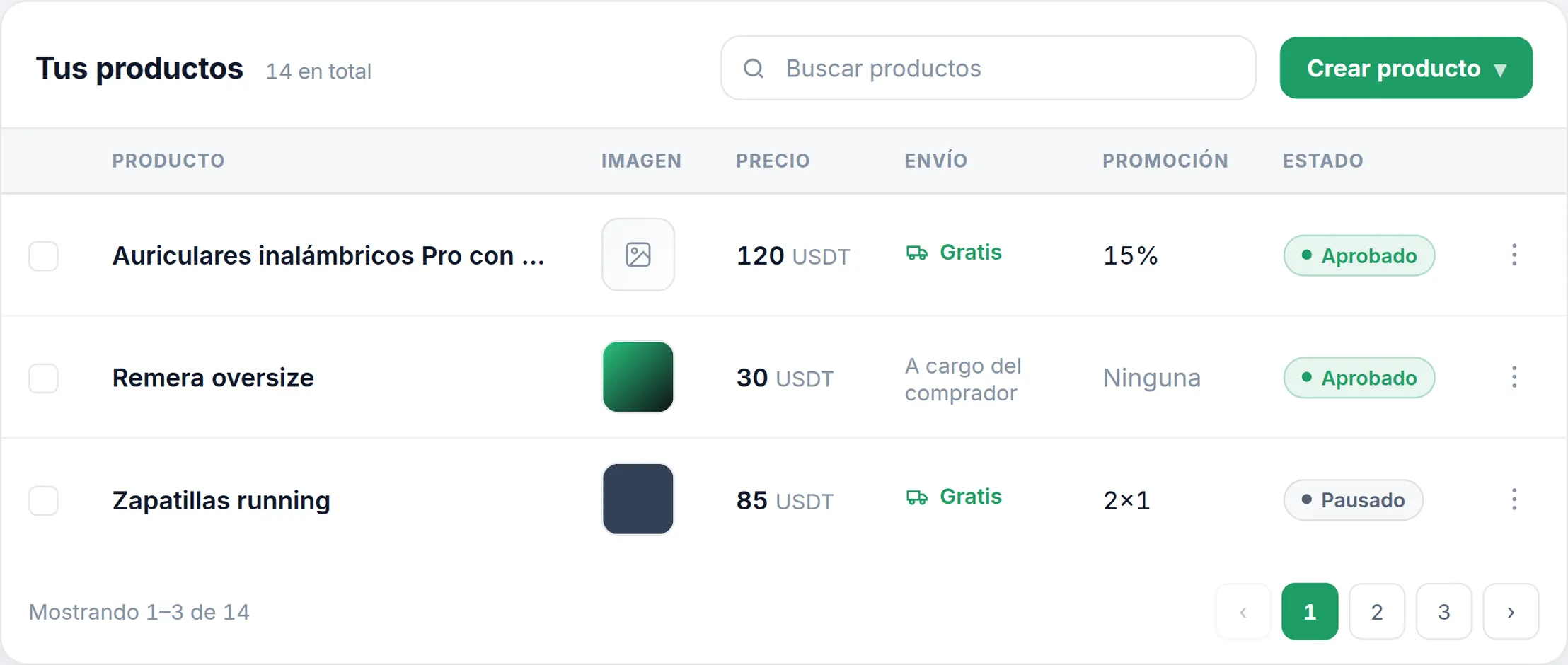
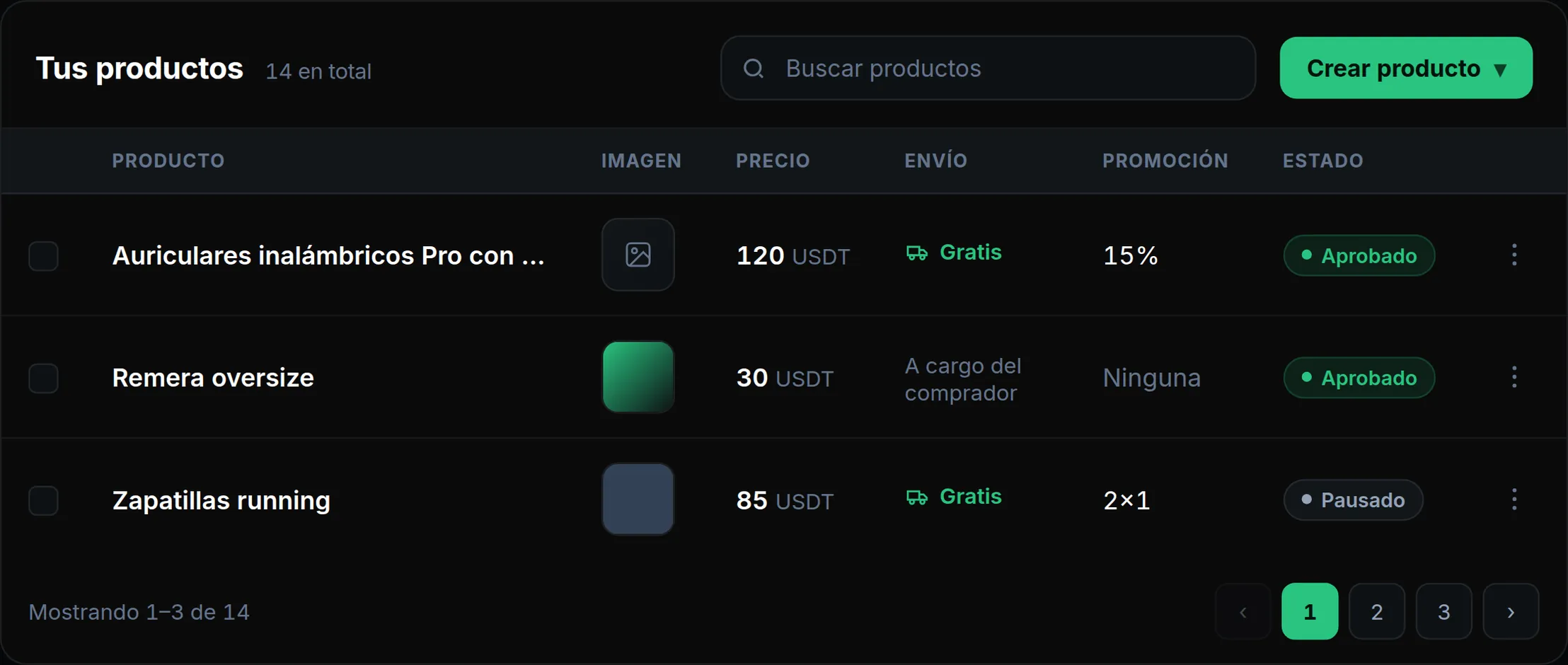
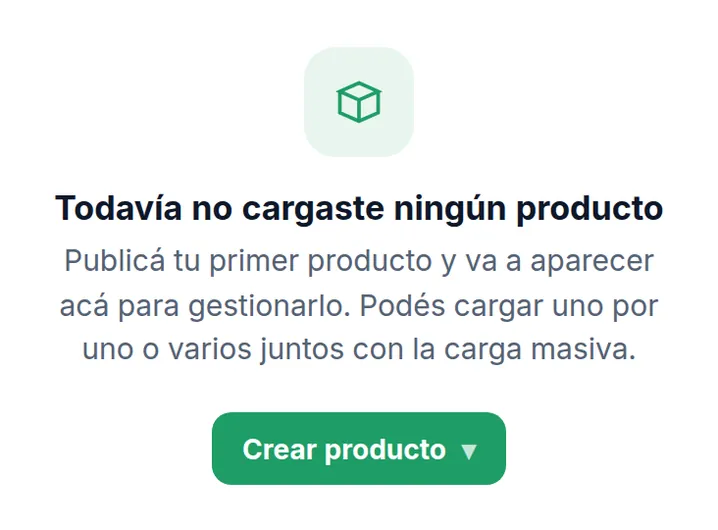
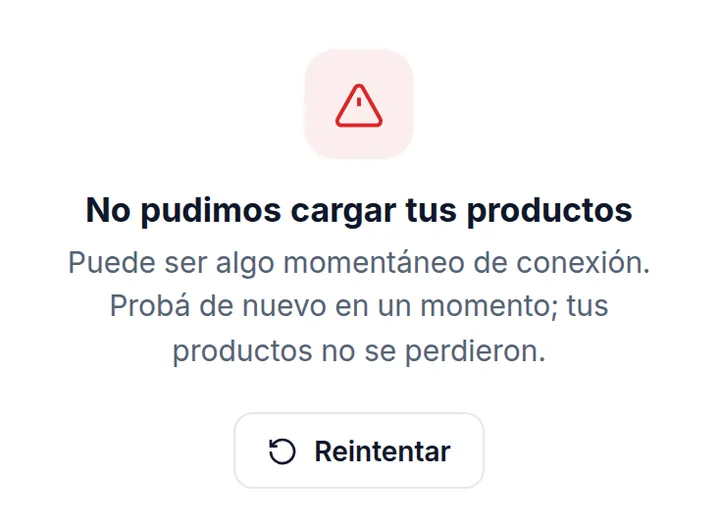
Empty, loading, error, partial, long text, mobile, light and dark. The brief to the agent says what happens in each one.
One agent builds, one part at a time.
An agent working inside the codebase builds each part, tests it and compares it with the prototype before handing it to me.
Another agent measures; I approve.
Screenshots, pixel diffs and animations checked frame by frame, in rounds, until one comes back clean.
Each part ships with my OK.
Each part ships separately, with a history that's easy to follow and progress visible to the team in Linear. Anything on the backend side is noted down for whoever owns it.
Every decision is written down, with its reason.
Everything goes into my own repo, with its date. What I learn becomes a rule that improves the process.
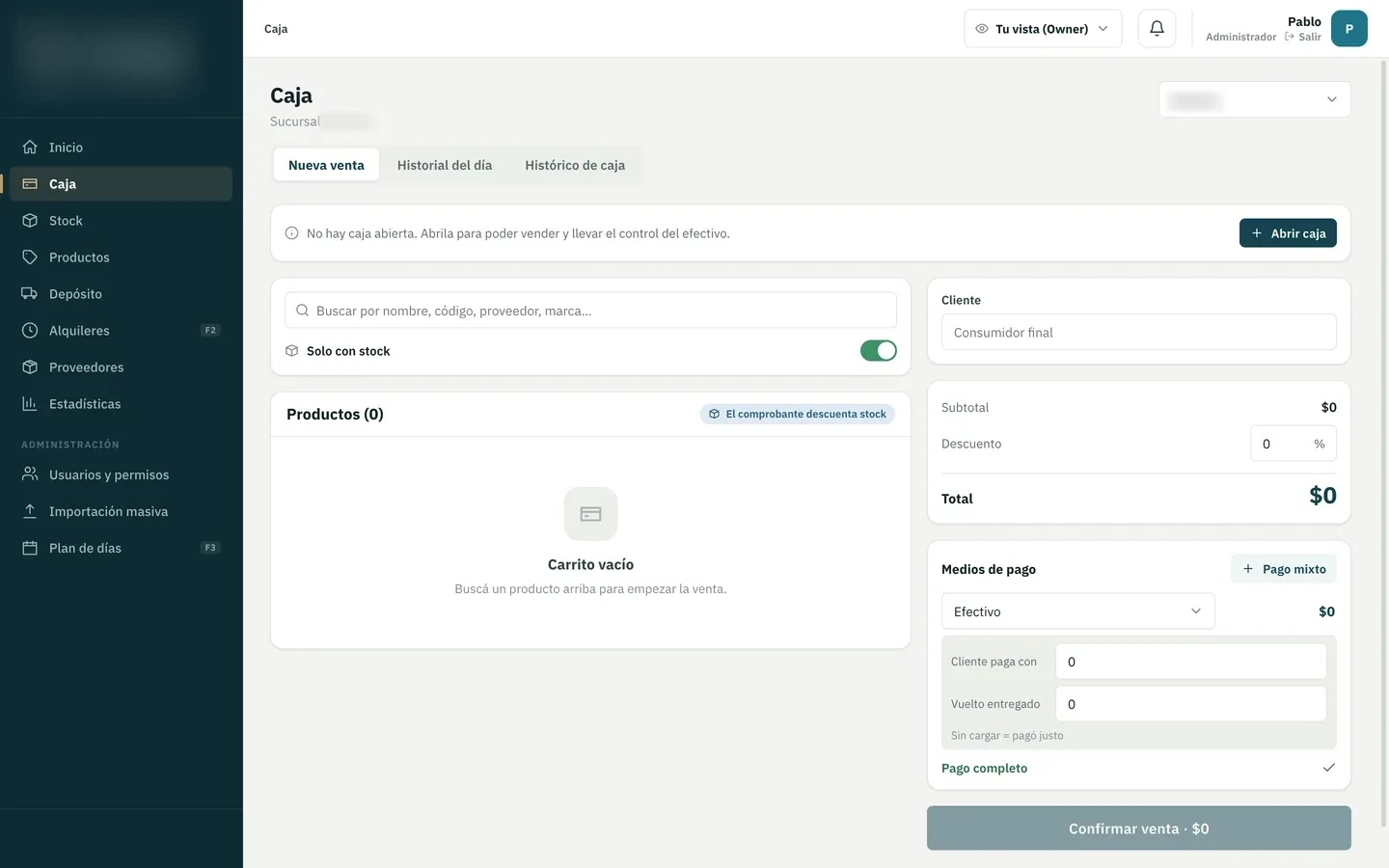
Orthopedic storeI audited the system they couldn't use before touching anything; the answer was to rebuild it.
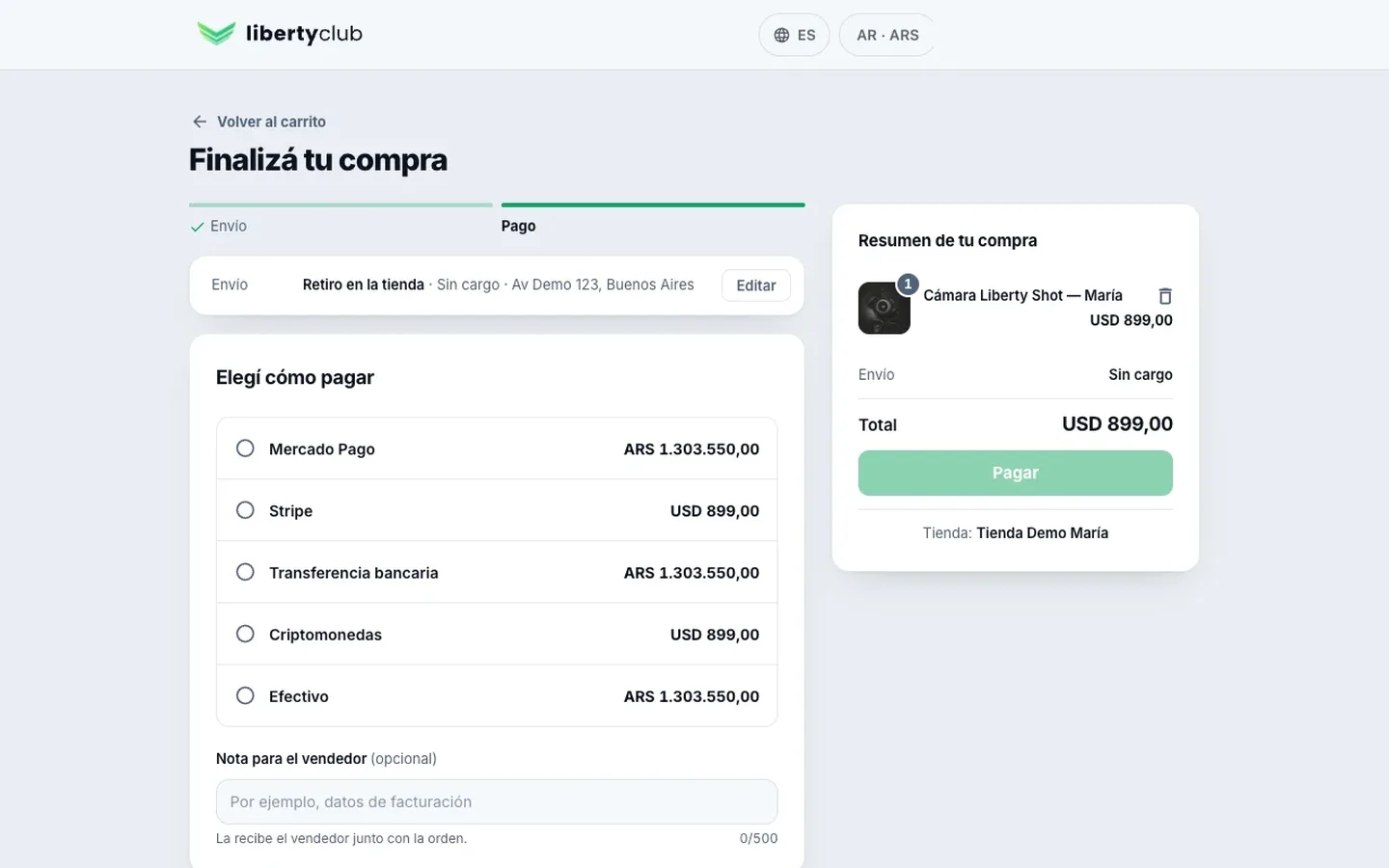
CheckoutLive benchmark of Stripe, Shopify and Tiendanube; then, the checkout split into 5 parts.
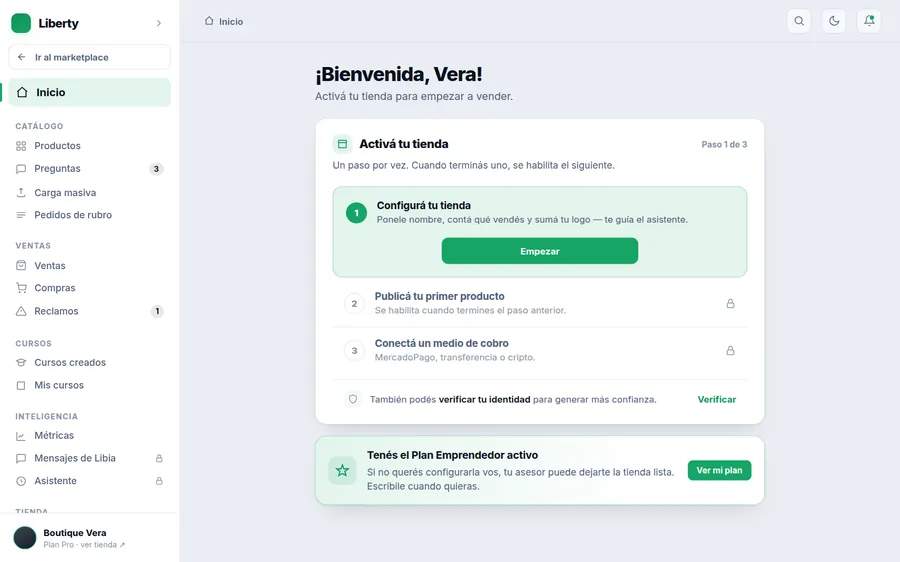
Dashboard“Activate your store”, on the Home screen: the first version covered the whole screen; marked up on the image, it became a module.
DashboardThe Products table, with every edge case solved in the prototype.
CheckoutA part only counts as done once it passes every test.
CheckoutThe first part went through five rounds, with reviewers who try to refute every finding.
CheckoutThe 5 parts were merged before release, and on October 1 the checkout reached production.
My own repoEach new rule improves the process of the step it belongs to.
- What screens exist?✓
- What's actually used and what's dead code?✓
- What does the screen promise that the system doesn't deliver?✓
- Fix it, or start over?
→ better to start over
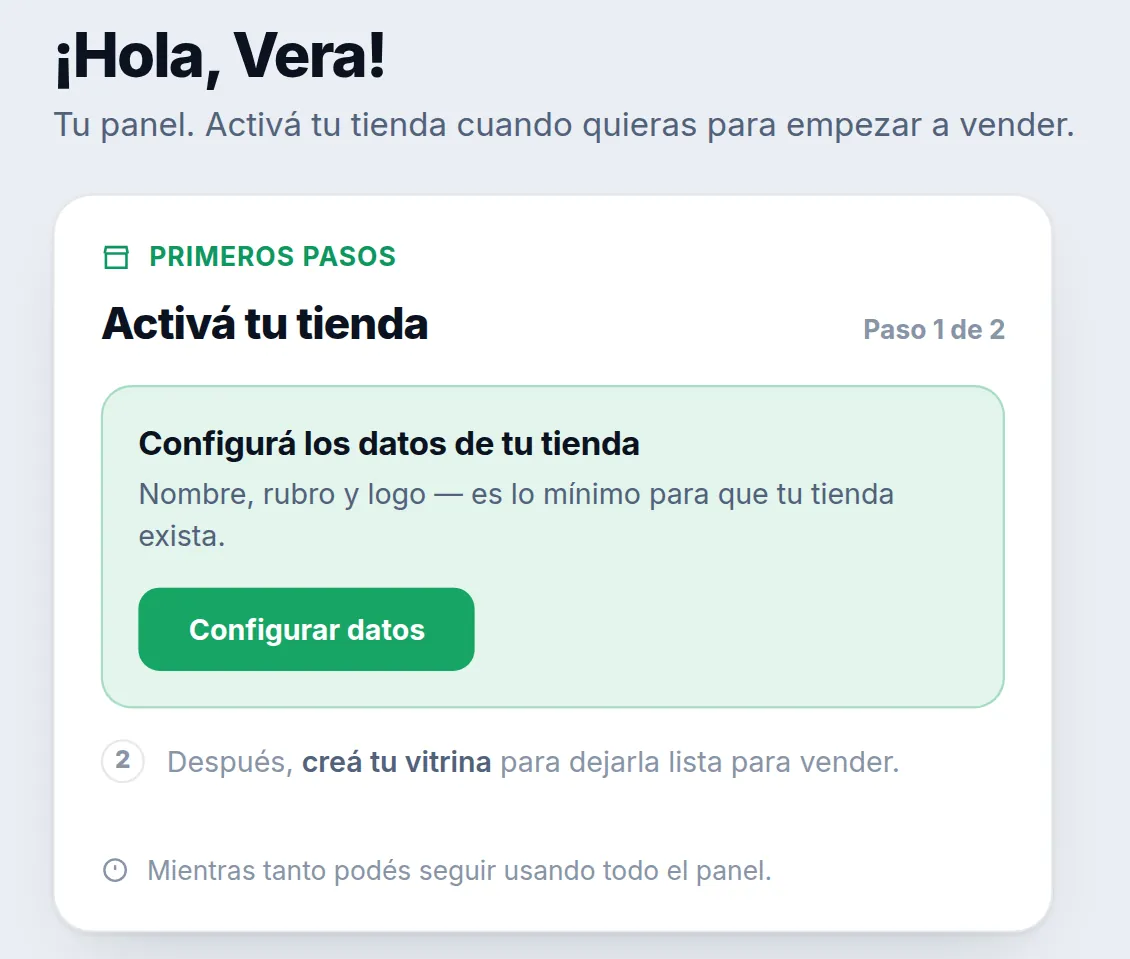
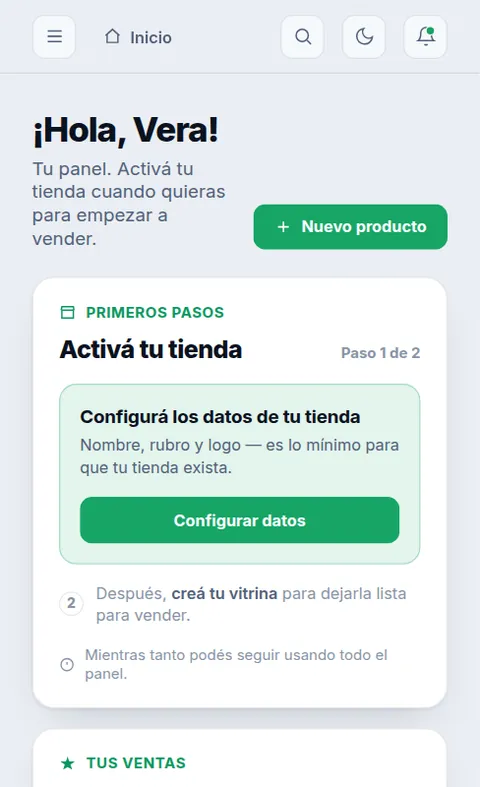
marked up on the image · and on mobile
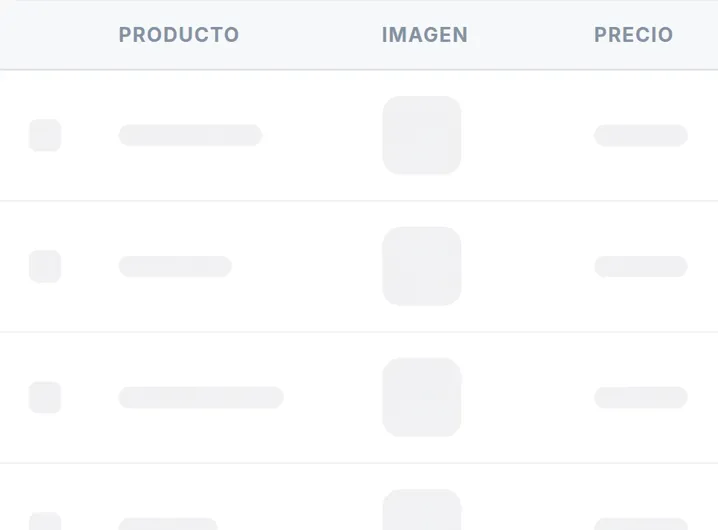
- › reads the brief and the prototype
- › implements the part
- ✓ types
- ✓ lint
- ✓ tests
- ✓ build
- ✓ browser walkthrough, 3 widths
- ✓ compared against the prototype
- → report and screenshots · waits for my OK
- Round 17 fixes
- Round 25 fixes
- Round 3motion details
- Round 43 details
- Round 5clean